The Power of Environment: Creating an Immersive Experience
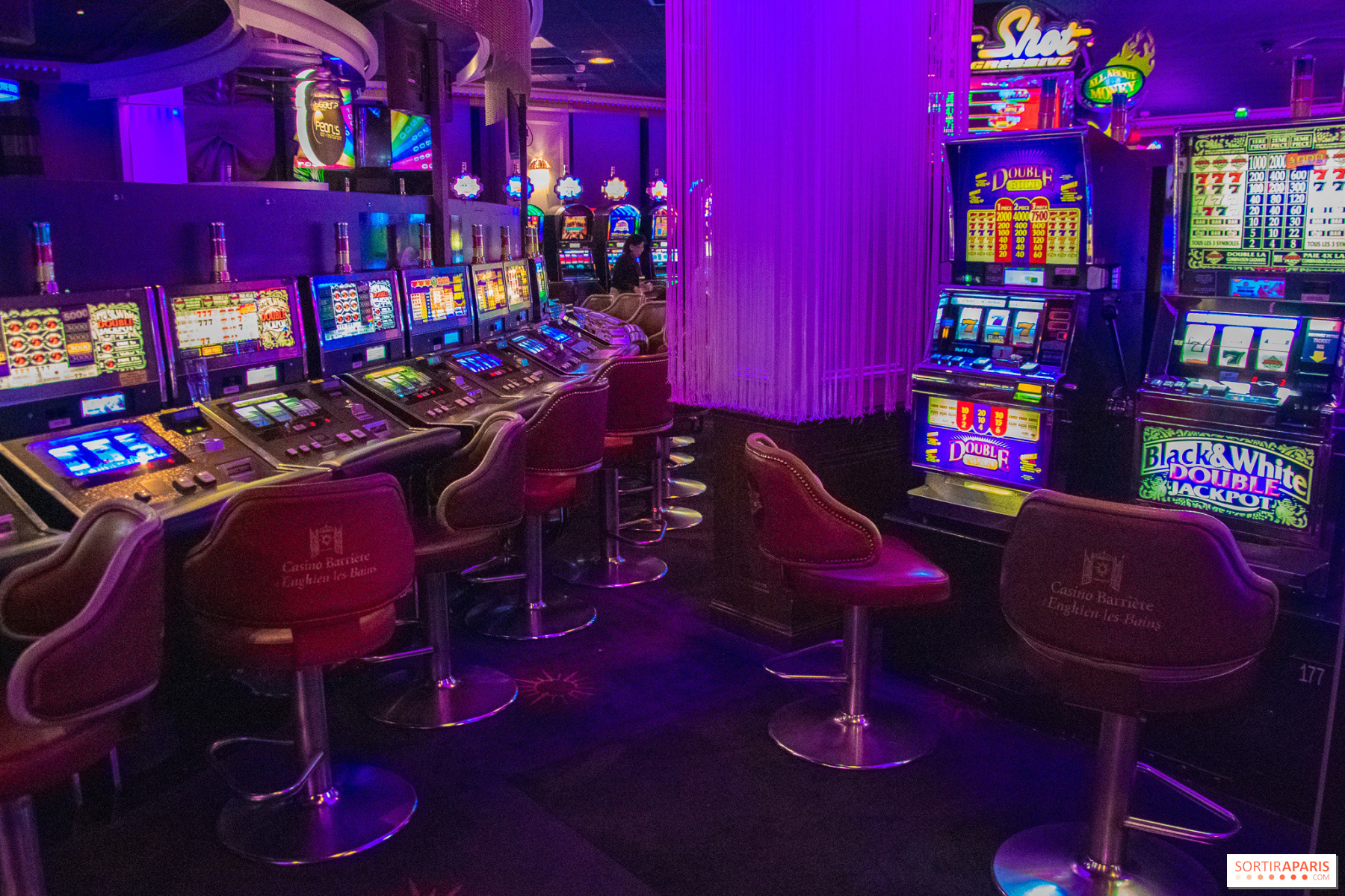
Casinos are designed with a specific environment in mind that captivates players and keeps them engaged for extended periods. The use of vibrant colors, mesmerizing lights, and upbeat sounds creates an exhilarating atmosphere that reinforces the idea of fun and excitement. This sensory overload is strategically implemented to stimulate players’ emotions, making them more likely to remain at the gaming tables or slot machines for longer sessions. Furthermore, the appeal of betting options extends even to offshore sportsbooks, which can captivate attention away from traditional forms of gaming.

Additionally, casinos often lack natural lighting and visible clocks, which can lead players to lose track of time. By removing these familiar cues, casinos encourage an immersive experience that can distort a player’s perception of reality. This carefully curated environment fosters an escapist mindset, where the outside world feels distant, allowing players to focus solely on the thrill of gambling.
Reward Systems: The Psychology of Reinforcement
One of the most effective psychological tricks employed by casinos is the use of reward systems that tap into the brain’s natural craving for dopamine. When players win—even small amounts—they experience a rush of excitement, which reinforces the behavior that led to that win. This phenomenon, known as variable ratio reinforcement, occurs unpredictably and maintains player engagement, as individuals are compelled to continue playing in hopes of achieving the next win. Understanding these mechanisms can reveal the depth of gambling’s allure.
The design of slot machines is particularly adept at exploiting this reinforcement principle. With flashing lights and celebratory sounds accompanying any form of victory, players are continually motivated to chase greater rewards, even if those rewards are far less frequent than losses. Over time, this creates a conditioned response, where players find themselves drawn back to the machines despite the odds being stacked against them.
The Illusion of Control: Manipulating Player Perceptions
Casinos often utilize the illusion of control to manipulate players’ perceptions of their chances of winning. This can be seen in the design of certain games where players can make choices, such as selecting cards in blackjack or the timing of their spins on slot machines. These elements give players a sense of agency, leading them to believe that their decisions significantly influence the outcome, which is rarely the case.
This false sense of control can be very compelling, as it encourages players to engage deeper with the game. When individuals feel they have some influence over the results, they are more likely to continue playing, even in the face of losing streaks. The tendency to overestimate one’s ability to predict outcomes can keep players locked into the casino experience longer than they intended.
Social Interaction: Building Community and Connection
Another psychological aspect casinos leverage is the power of social interaction. Many games are designed to be played in groups, which fosters a sense of camaraderie among players. Engaging with others not only makes the experience more enjoyable, but it also encourages individuals to keep playing, as they are caught up in the collective excitement of the gaming environment. This dynamic creates an environment where the thrill of gambling can amplify through shared experiences.
Moreover, casinos often host events and tournaments that create a community atmosphere. These gatherings can enhance the fun and competitiveness of gambling, motivating players to stay longer than they might have planned originally. By surrounding themselves with like-minded individuals in a communal setting, players are more likely to overlook their losses and focus on the enjoyment of the experience.
Supporting Safe Gaming Practices and Responsible Gambling
While the psychological tricks used by casinos can create a highly engaging environment, it is essential to approach gambling with awareness and responsibility. Understanding these tactics can empower players to make informed decisions about their gambling behavior. Websites dedicated to promoting safe gaming practices provide valuable resources and support, helping individuals maintain a healthy relationship with gambling.
By addressing the psychological elements that few players recognize, organizations aim to foster a safer gambling environment. They encourage individuals to seek help when needed and promote awareness about the potential risks associated with gambling. This proactive approach not only helps players enjoy gaming responsibly but also assists in building a community that prioritizes safety and well-being.